
Nail Surgery in Peacehaven
Clinical Guidance & Toenail Surgery Procedure
Professional treatment for ingrown, painful, or repeatedly infected toenails.
About the Clinical Procedure
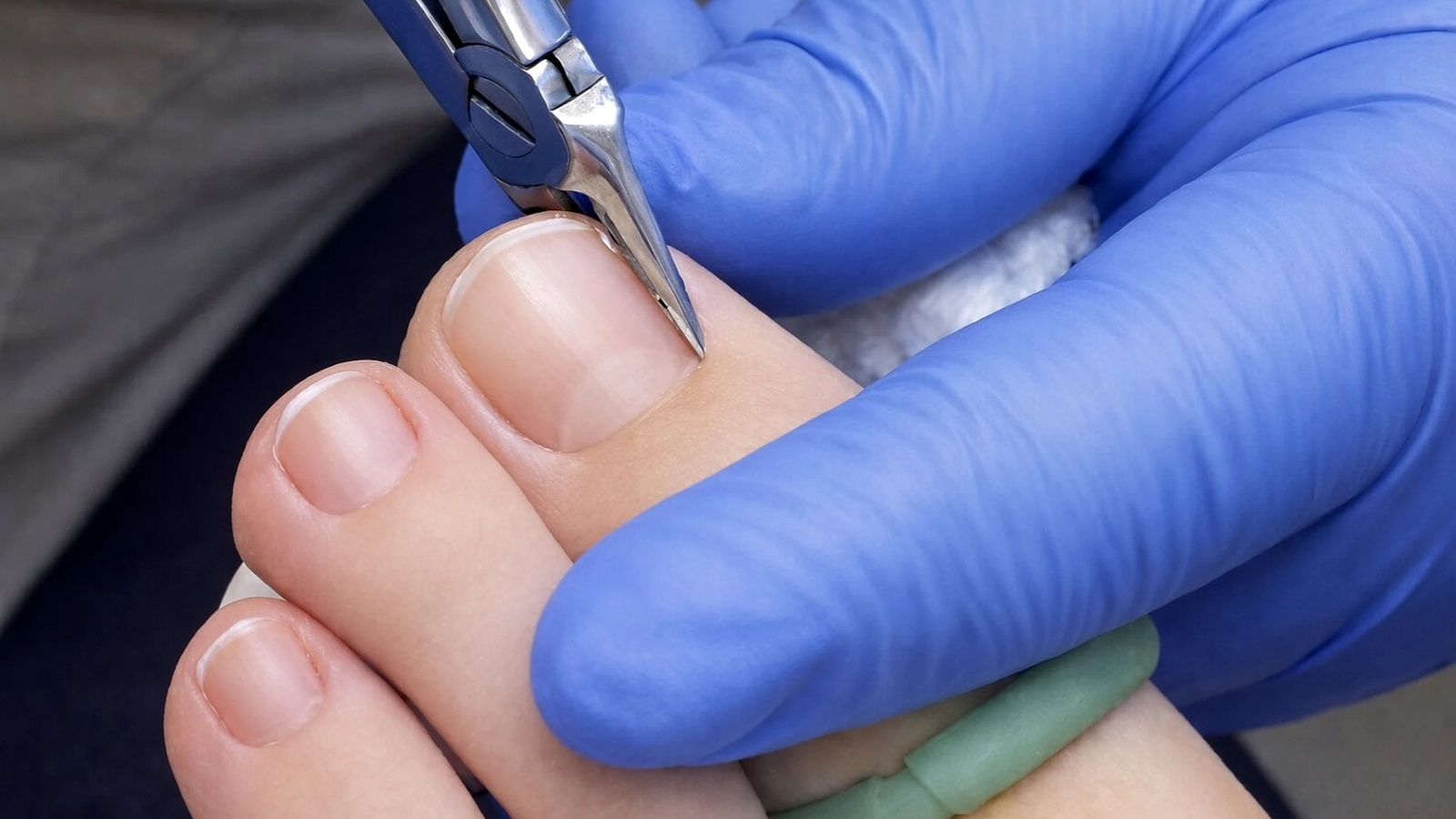
Toenail surgery is the removal of part of, or all of the toenail to resolve an ingrowing toenail that may be causing pain and/or repeated infections. Once the toe is numbed using a local anaesthetic, the nail, or section of nail is removed, depending on what has been agreed with your podiatrist prior to the procedure. Phenol acid may be applied to destroy the nail forming cells in the area, reducing the risk of the problem recurring.
Following toenail surgery the usual healing time is six - eight weeks for part of the nail and longer, around twelve weeks for a whole nail removal.
Following the toenail surgery the podiatrist will apply a sterile dressing which must be kept dry until your first redressing appointment, this is usually a few days after the procedure. You will be asked to keep your dressing dry until after your second dressing appointment. This may prevent you from taking part in some sports and other activities.
Your podiatrist will discuss with you how many times you will need to attend for redressing appointments, you may also be advised to carry out further redressing yourself provided you are able.
Your Assessment Clinic Appointment
A podiatrist will assess you before booking a date for a toenail procedure. They will ask you questions about your general health and current medication so that they can assess if toenail surgery under anaesthetic is a suitable treatment for you.
If you are taking any blood thinning medication such as Warfarin (not usually Aspirin) you will need to seek advice from your GP or blood clinic about the need to reduce your dose prior to surgery and if extra blood tests are required.
The podiatrist will ask you how much you weigh in order to determine the correct dosage of anaesthetic. You will need to inform the podiatrist if you are pregnant or breastfeeding as this may mean that you can not have the procedure. Please also state if you are planning a holiday, sporting activity or any other surgery over the next few months, as we may need to book your toenail surgery for after these dates.
Alternative Treatments
Sometimes it is possible to treat an ingrowing toenail by non-surgical means before considering surgery. If you feel the podiatrist has not already discussed with you why alternative methods are not indicated for your toenail then please do not hesitate to ask further questions.
On the Day of Appointment
You must ensure that you eat and drink normally, otherwise you may feel faint. Please remove any nail varnish or foot jewellery before attending your appointment. Please bring a list of any medication you are currently taking.
The podiatrist may not proceed with the surgery on the day if there have been changes to your general health, medication, if you have had another local anaesthetic within the last 24 hours or if your toenail problem has significantly improved.
Stage 01
Arrival & Reassurance
In the clinic the podiatrist will talk to you throughout the procedure to reassure you, answer any questions and help you relax if you are feeling nervous. You should expect to be with us for about an hour, although the procedure itself once the toe is numb only takes about twenty minutes.
Stage 02
Local Anaesthetic
After discussing your medical history, answering questions and checking consent, the first part is local anaesthetic injections to each side of the toe. This numbs the toe so you feel no pain, though you remain aware of temperature, movement and pressure.
Stage 03
Sterile Environment
The podiatrist will wear a sterile gown and gloves to help reduce the risk of infection. All instruments used in the procedure are also sterilised and items such as blades and needles are sterile, single use and disposed of after use.
Stage 04
Nail Removal & Phenol
Once the toe is numb, the agreed nail section is removed. The nail bed is then treated with phenol to prevent the nail from growing back. A large dressing is applied, so please bring a pair of sandals or loose shoes to wear home.
Arrange Transportation
It is advisable for somebody to drive you home as the area may remain numb for around two hours after the procedure, which may affect motor insurance. Unnecessary walking immediately after surgery increases the risk of bleeding and delays healing.
Rest & Occupation Advice
Do not arrange to return to work on the day of the procedure. Rest your foot elevated for the rest of the day and keep walking/standing to a minimum the following day. Depending on your occupation, you may need a few days off.
Keep Dressings Dry
You will be required to keep your dressing dry until your follow up appointment, at which point a fresh dressing will be applied. Your podiatrist will discuss follow-up reviews and explain how to redress the site yourself if required.
Pain Relief Guidance
You may need to take a painkiller such as paracetamol once the anaesthetic has worn off (do not take aspirin as it may encourage bleeding). You will be given a post-operative care sheet before leaving.
Informed Surgical Patient Consent
The podiatrist will explain the procedure and aftercare in detail, including why the surgery should be undertaken, what the outcome should be and any possible risks associated with the procedure. You will then be given a consent form to sign to state that you are happy to go forward with the operation.
If you are under the age of sixteen years old somebody with parental responsibility must be available on the day of the operation to give written consent.
Possible Risks and Complications
Nail Regrowth
In 5-10% of cases there can be nail regrowth. This will often be a small piece of soft nail, however if it is problematic the surgery may need to be repeated.
Delayed Healing
Many factors affect the rate at which healing occurs. Average healing times are between six to eight weeks for a partial nail removal and up to twelve weeks for a full nail removal.
Pain Following Operation
Once anaesthetic wears off you may feel discomfort. Take your normal painkillers (not aspirin) and avoid pressure on the toe by wearing open footwear such as sandals.
Phenol Burns
Occasionally phenol can spread into the skin around the nail, causing pain and delayed healing. Every precaution is taken by your podiatrist to avoid this.
Cracking of the Toenail
Several weeks after partial nail surgery, a split across the remaining nail may occur, taking several months to grow out into its final narrower appearance.
Infection Risk
An open wound carries a chance of infection (making the toe painful, red, swollen, throbbing, inflamed and hot). If this occurs, antibiotic treatment may be required.
Excessive Bleeding
There is usually little bleeding during the procedure. However it is important to rest with your foot elevated for the remainder of the day to reduce post-operative bleeding.
Nerve Damage & Bone Trauma
Nerve damage from the injection or pressure is usually temporary with recovery within three months. Rarely, damage to the bone sheath may cause pain and delayed healing.
Anaphylactic Reaction
As with any procedure using anaesthetic there is a very rare risk of anaphylaxis. We review all allergy history prior to treatment, and adrenaline is kept in the clinic.
Other Medical Considerations
Certain pre-existing medical conditions may have associated considerations. Your podiatrist will evaluate and discuss these comprehensively before scheduling surgery.
Quality of care: We aim to carry out the procedure as efficiently and in as relaxed and calming an atmosphere as possible. We endeavour to answer all of your questions and concerns to make you comfortable and confident in our service.